
| Respect: A Psychosocial, Moral, and Spiritual Reflection |
Introduction When you hear of the term respect, what does immediately come to your mind? Perhaps it is the thought of how people should relate to each other or treat each other. Well that is true, because respect is manifested in showing courtesy, reverence, appreciation, and dignity. It is the act of esteeming and honoring the other person or party. It implies regard and favor. Evidently, this concept reveals the quality of our social interactions and habitual patterns of dealing with others, the young and the old, the familiar and the strangers alike. I am not implying here that respect comes naturally, I am saying that when we are confronted with this concept we are obviously challenged and forced to examine our ways. Moreover, our mind is challenged by such a widely ethical notion and moral value. We tends to internalize it and imagine ourselves in scenarios where we are actually relating to other people under various circumstances --family and friends, colleagues and coworkers, bosses and employees, children and parents, teachers and students, the culturally similar and the different, creation and all the creatures, etc. Respect as a virtue challenges us to examine our habits on how we behave or conduct ourselves both in public and in private. We can recall positive incidents where we witnessed great respect being displayed in action and our lives were enriched by the event. Similarly, we can recall other unpleasant incidents where great disrespect was manifested and thus we felt disturbed and distressed. Essentially, there are several dimensions to respect. In this article we will try to explore the meaning of respect, understand its various dynamics and functions, discuss its cultural and spiritual depth, and examine its implications for social and interpersonal relationships. Definition Re-Spect has its roots in the Latin word respectus. The second part, Speck, means "to view" or "to look at." Therefore, respect means to show regard, honor, and reverence (see note 1). Respect is a feeling of deep appreciation. The state of being honored or esteemed. To adequately and properly relate to others. Willingness to show consideration and favor. To carefully take notice and show special attention or polite expressions. A refined ability to show deferential regard and high esteem to others. To avoid interference with or violation for any common set boundaries. Treating others with dignity and conducting oneself with integrity. Empathy for other people's feelings. To greatly value something or someone. A courteous expression of worthiness and kindness. To regard with honor. Respect is more than an act or a behavior. It is an attitude and a personality trait. It is not an isolated value, a situational ethic, or an occasional virtue but rather an integral part of human functioning. It reflects an integrated lifestyle, a holistic frame of mind, a clear set of principles, and a deep core of morality. It is a "trait or virtue that expresses an ability and willingness to protect the dignity of others" and Aristotle defined virtue as "an habitual disposition to act well" (see note 2). True respect is a manifestation of a good level of emotional maturity, a sound ethical behavior, and a balanced or a transparent worldview. The concept of respect is deeply related to the notion of "value clarification" and "character formation." Therefore for the purpose of our study here, it will be helpful for us to look at these aspects and draw a wider picture of analysis. Values clarification is a term that describes a variety of strategies to raise values from an unconscious or inarticulate status to a conscious level where they can be intentionally used to guide decisions. Clarifying personal values is necessary in order to understand one's morality (see note 2). On the other hand, character is the habitual disposition and inner characteristic that a person possesses, experiences, and expresses on a regular or consistent basis. For some theorists, the personal character is more important than the external set of rules, standards, code of conduct, goals, or regulations. The internal locus of control and the level of emotional maturity and mental stability are actually the factors that determine the quality of interpersonal functioning and social behavior. It has been said that integrity is truly manifested in the way a person acts, conducts himself or herself, and spontaneously behaves when no body else is around or looking. A more academic description would be something like this: "Integrity is the virtue that coordinates all other virtues. To have integrity is to have organized and controlled all the important traits of your character in such a way that you are expected to act well. To violate one's integrity is to lose control over one's character traits which allows some unexpected and undesirable constellation of virtues or vices to express itself in action" (see note 2). Simply put, values and virtues are the essential elements that guide our human behaviors, actions, and reactions. Philosophical Roots In order to fully define the concept of respect, first we need to understand its philosophical roots and foundations. Respect has been considered as one of the moral virtues and social mandates across time and culture. It is found in all religious teachings and cultural traditions throughout the centuries. According to Stanford Encyclopedia of Philosophy (2003), "Virtue ethics is currently one of three major approaches in normative ethics. It may, initially, be identified as the one that emphasizes the virtues, or moral character, in contrast to the approach which emphasizes duties or rules (deontology) or that which emphasizes the consequences of actions (consequentialism)... Three of virtue ethics' central concepts, virtue, practical wisdom and eudaimonia are often misunderstood... Virtue ethics' founding fathers are Plato and, more particularly Aristotle (its roots in Chinese philosophy are even more ancient) and it persisted as the dominant approach in Western moral philosophy until at least the Enlightenment" (see note 3). However, the virtues themselves were not emphasized in detail, like "motives and moral character, moral education, moral wisdom or discernment, friendship and family relationships, a deep concept of happiness, the role of the emotions in our moral life and the fundamentally important questions of what sort of person I should be and how we should live." In later years, "Interest in Kant's virtue theory has redirected philosophers' attention to Kant's long neglected Doctrine of Virtue, and utilitarians are developing consequentialist virtue theories" (Hursthouse, 2003). Naturally, the concept of respect has many elements that are similar to other moral values and noble qualities. However, certain disciplines and fields of study, like ethics, theology, philosophy, social sciences, etc., because of the nature of their in-depth studies and specialties, distinguish among these different values and moral qualities and consider each one of them as a separate "virtue" by itself, worthy of exploration, reflection, and study. A virtue like respect, is not just a tendency to do what is right, honest or good, nor is it to be considered a morally valuable or occasionally desirable act, but rather it is a character trait and a disposition that is entrenched into the core of the psyche and being. To possess a virtue is a reflection of the total personality of the owner rather than a reflection of one single behavior or event. "The aspect that is more usually stressed regarding situational appreciation is the practically wise agent's capacity to recognize some features of a situation as more important than others, or indeed, in that situation, as the only relevant ones. The wise do not see things in the same way as the nice adolescents who, with their imperfect virtues, still tend to see the personally disadvantageous nature of a certain action as competing in importance with its honesty or benevolence or justice" (Hursthouse, 2003). The power of a virtue is a psychological dynamic that reflects the potential goodness in a person. Therefore, a virtuous man or woman is good or admirable person when he or she feels well and acts rightly even in difficult situations. Historically, these have been commonly accepted notions of moral values. But it is equally common to keep every good behavior, trait, and tendency into perspective. Extreme habits, behaviors, or actions are unhealthy and counterproductive. Respect, like any other moral virtue, can be misused or even abused. For example, an exceedingly generous, or pleasing, or honest, or compassionate, respectful, or polite person, can be inappropriately so to a fault, leading to self-defeating and destructive behaviors (e.g., like someone who constantly apologizes and asks for forgiveness even for every move or minor gesture most of the time quite unnecessarily. That reflects a great level insecurity and tends to result in lack of self-respect. It has been said that the tendency of "too much apologizing" is similar in its dysfunction to the position of "never apologizing at all"). Thus, what meant to be a good characteristic and a moral trait becomes a destructive tendency, habit, and psychological maladjustment. Therefore, too much of a good trait can be just as unadaptive as a total absence or lack of it. These extremes, though some of them are done in good intentions, do hide underlying emotional issues and unresolved needs, which may have harmful psychological consequences both on the giver and on the receiver. Unfortunately, that dynamic disrupts the human relationship of all those involved. Respect of Self and Others Self-Respect can be defined as possessing qualities that are being worthy of honor and esteem. Once a person is in harmony with himself or herself and able to value his or her inherent faculties and gifts, then he or she will be able to freely offer and receive admiration and high regard. Self-respect and self-esteem are similar but not identical. Sound self-esteem is the corner stone for a healthy personality. It is like an umbrella that covers all other aspects of the human Self. "To esteem someone or something is to value, respect, affirm, and give worth to that object or person. To esteem oneself is the ability to properly evaluate and accurately present oneself. That means employing a realistic assessment of personal strengths and weaknesses, positive and negative qualities, and true potentials and limitations. Self-esteem is basically determined by the general feeling people have about themselves and by the global ideas, attitudes, or perceptions they create about themselves. It is a self-ranking activity based upon the individual's successes and failures. Self-esteem is an internal ability to assign attributes to oneself and conduct subjective appraisals and private judgments. This phenomenon may occur over a long period of time and involves complex affective and cognitive processes. The results can be positive or negative depending on the person's developmental history, childhood experiences and family background, mental reasoning and emotional stability, level of expectations and set of ideals, nature of current challenges and pressures, personal meaning and sense of direction, external appraisal and social feedback, and eventually existential outlook and spiritual faith" (Abi-Hashem, 1999, p. 1084). The way we view or feel about ourselves can change with time. Some aspects of our self-esteem are fluid. However, the core beliefs remain the same. "Besides having a global rating about themselves, people usually develop separate ratings or levels of esteems for different domains of their lives. These include certain faculties, attributes or traits, and several areas of functioning. As people act, react, and interact they typically create impressions about themselves, others, life, and ultimately God" (Abi-Hashem, 1999, p. 1084). Therefore, good and balanced self-concept, self-image, self-worth, self-respect, self-perception, etc., are natural result of a healthy self-esteem. That reality does represent a good reason and motivation to value others, to respect their inherent qualities, and to relate to them as full human beings, even though they may act differently or strangely at times. Self-respect gives a person some great insights into the unchangeable values of others and a sense of consideration and humility in dealing with the natural world as well. From a theological point of view, it is commonly held that every human being possesses an Imago Dei (the Image of God) which is imprinted in them and is worthy of full respect. Similarly, a person of faith would treat the environment and the creation with a sense of regard and stewardship rather then with an attitude of consumerism, recklessness, and ownership. In summary, the way we view ourselves shapes the way we act upon the world, and vice versa, the way we view others and act upon the world shapes the way we view ourselves. Obviously, respect for others includes showing regard, esteem, and honor to: authority, elders, teachers, parents, law, society, government, country, environment, animals, earth, nature, etc. Herbst (2002) explained that, "Moral theologians speak of respect with reference to persons of outstanding goodness and dignity, and as a part of the virtue of piety which involves reverence to family and country" (p. 138). Unfortunately, there are few misconceptions about the notion of respect we need clarify here. Respect should not be confused with complete submission or total fusion with the other person, object, group, or entity. There is a difference between honoring any authority figure (elder, boss, professor, parent, ruler, etc.) and blindly obeying them and passively agreeing or significantly compromising with them. Another misconception is that, if someone shows high favor and admiration to others or treats them with honor and dignity, he or she may appear to be weak or can be labeled as pleasing and very needy person. On the contrary, showing great respect is a sign of strength not weakness. When we know our personal boundaries and enjoy a healthy inner security and self-confidence, then we can show others courtesy and reverence without losing our worth, face, or personal dignity. Actually, the most effective types of leaders are not those who impose themselves, display tough and aggressive measures, or show little regard to and trust in their followers. Rather, the most admired and efficient types are the "servant leaders" who are quite humble, emotionally secure, and well seasoned in life. They work hard to empower others, invest in their followers, and develop their gifts and potentials. They eventually win the hearts and minds of their team members (groups, children, employees, students, etc.) and enjoy their deep respect, support, and loyalty. Respect can be earned, assigned, or ascribed but can never be stolen, demanded, or forced. "We can all sense whether we are respected or not. This holds true for those with money and power as well. Moreover, it is quite possible that those who pursue money and power are actually trying to gain a type of respect that they never have truly felt. When we are respected we gain the voluntary cooperation of people. We don't have to use as much of our energy and resources trying to get our needs met. When people respect one another there are fewer conflicts" (see note 4). One great enemy of developing the virtue of respect is the sense of entitlement. Self-centered, arrogant, or narcissistic personalities have little empathy for others and reveal no real interest in the greater Common Good. Their mental beliefs and inner statements usually sound like, "I deserve more and better… my needs are higher and more important than other people's needs… I must get all the attention and service… I don't care about the moral consequences or negative influence of my behavior and attitude on others, on nature, on society, on the world, or on the afterlife (and eternity)…" In order to cultivate the virtue of respect it is necessary to remain humble and unassuming, yet at the same time, alert, teachable, and fully aware of the social dynamics and of the surrounding flow of life. Sound spirituality helps us a great deal to develop and maintain this virtue. Theology emphasizes reverence to the creator, to the creatures, and to all creation. It helps define our place and role in the universe. Religious faith shapes the conscience and enriches the conduct to become morally aware, humanly service oriented, and spiritually careful and sensitive. Respect and Culture Historically, respect has been a vital part of every culture and religion. It played an important role in shaping the family and community life and in the survival of its heritage, customs, and social traditions. Honoring and respecting the elderly has been a cornerstone of every culture across time and is still the norm in many societies around the world. Respect is an attitude that is normally taught and practiced toward all, with a special emphasis toward those who are older, overseers, and in place of authority. Older people are considered valuable resources of wisdom, continuity, and guidance. They represent the human wisdom and experience stored through the ages and made available to the future generations. Normally, elderly are treated with regard and reverence and are viewed as blessings, not burdens, to their families, neighbors, and relatives. They are being consulted by the young and the old alike, even by the community leaders, and are well cared for by their family members at home. There is a saying or a proverb in the Arabic language that reflects the importance of having an older person around, as it translates, "Those who do not have an elder in their family, should acquire one (or figuratively borrow one or trade their monies and treasures to obtain one." That speaks of the great significance of having an elder figure living in close proximity, which mainly represents a needed and graceful presence, a wise mentorship, and a spiritual blessing for all. In public, labels are important to use as well. Older people, public officials, and authority figures are always addressed with their appropriate titles. A child or a young man or woman would never address an older person with just their first name, even to a close family member or relative. Titles and endearing labels are an essential (and colorful) part of that community life and cultural heritage. Such labels and titles range from the very serious to the very colorful, from the formal to the informal, and, at many times are used for warm teasing and endearing purposes. When I teach or lecture in countries outside the United States (the Middle East or Eastern Europe), I sense the difference in the manner of addressing me and dealing with me. Students, participants, officials, clergy, staff, family members, etc., all show their guest and visiting lecturer a great respect. I am usually treated with high regard and esteem and often referred to as "Dr. Naji!" It seems doctor for respect and Naji, my first name, for personal endearment and warmth, which I personally like and enjoy very much. Respect and Counseling One of the major fundamental principles of counseling, care-giving, and psychotherapy is the skillful ability to enter the world of the client, care-receiver, student, or patient with genuine intention and total respect. Disrespectful remarks, inappropriate jokes, or dismissal of some important information that was revealed in the process, can be quite offending. Insensitive approaches, such as rushing into collecting data, pushing for answers, giving too many quick advice, or challenging and confronting prematurely, may have devastating effects on the therapeutic process. Besides acquiring several essential characteristics (like being experienced, insightful, available, ethical), a good counselor is also a person who should be genuine, sensitive, warm, caring, trustworthy, respectful, empathetic, and supportive. Showing respect in counseling is imperative especially when dealing with clients from a different background, ethnicity, or culture. Cross-cultural communication and counseling are demanding but also rewarding. Existentially speaking, every encounter is a cross-cultural encounter. It usually leaves a profound impact on all those involved so they come out of that encounter, not exactly the same as before, but somewhat better educated and enriched. Normally, we are less anxious and more comfortable dealing with people from the same background and intellectual level as ours. However, counseling with others (individuals or groups) who are quite different from us in terms of their experience, gender, race, faith, culture, education, economy, life-style, worldview, etc., can be an uncomfortable experience and anxiety provoking. Mistakes can be easily made which could result in alienation. However, respectful attention and focused empathy can result in a rewarding connection and personal transformation. Since cultural sensitivity and respect are essential for any successful counseling or care-giving encounter, I would share here some guidelines and suggestions to help us in our vital profession (cf. Abi-Hashem, 1999b, p. 296):
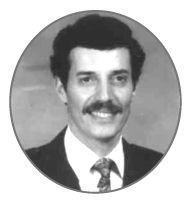
Closing At the end, we close with few selected quotations and statements of inspirations (see note 5): "The bond that links your true family is not one of blood, but of respect and joy in each other's life. Rarely do members of one family grow up under the same roof." Richard Bach "When you are content to be simply yourself and don't compare or compete, everybody will respect you." Lao-Tzu "To respect a person is not possible without knowing him; care and responsibility would be blind if they were not guided by knowledge." Erich Fromm "Unthinking respect for authority is the greatest enemy of truth." Albert Einstein "If you once forfeit the confidence of your fellow citizens, you can never regain their respect and esteem. You may fool all of the people some of the time; you can even fool some of the people all the time; but you can't fool all of the people all of the time." Abraham Lincoln "Some people have so much respect for their superiors they have none left for themselves." Peter McArthur "The real danger from advertising is that it helps to shatter and ultimately destroy our most precious non-material possessions: the confidence in the existence of meaningful purposes of human activity and respect for the integrity of mankind." Paul Sweezy "To laugh often and much; to win the respect of intelligent people and the affection of children; to earn the appreciation of honest critics and to endure the betrayal of false friends; to appreciate beauty; to find the best in others; to leave the world a bit better whether by a healthy child, a garden patch or a redeemed social condition; to know even one life has breathed easier because you have lived. This is to have succeeded." Ralph Waldo Emerson "Courage is a quality so necessary for maintaining virtue that it is always respected." Samuel Johnson [For those with low self-esteem] "It is rewarding to find someone you like, but it is essential to like yourself. It is quickening to recognize that someone is a good and decent human being, but it is indispensable to view yourself as acceptable. It is a delight to discover people who are worthy of respect and admiration and love, but it is vital to believe yourself deserving of these things. For you cannot live in someone else. You cannot find yourself in someone else. You cannot be given a life by someone else. Of all the people you will know in a lifetime, you are the only one you will never leave or lose." Jo Coudert [Suggestions on giving] "To an opponent, tolerance; to an enemy, forgiveness; to a friend, your heart; to your child, a good example; to a father, deference; to your mother, conduct that will make her proud; to yourself, respect; to all, charity." Francis Maitland Balfour "Thanksgiving speaks in clear, crisp tones of forgotten terms, like integrity - bravery - respect - freedom - discipline - sacrifice - godliness." Charles R. Swindoll "At the end of life we will not be judged by how many diplomas we have received, how much money we have made, how many great things we have done. We will be judged by 'I was hungry, and you gave me something to eat, I was naked and you clothed me. I was homeless, and you took me in.' Hungry not only for bread -- but hungry for love. Naked not only for clothing -- but naked of human dignity and respect." Mother Teresa References Abi-Hashem, N. (1999). Self-esteem. In D.G. Benner & P.C. Hill (Eds.), Baker encyclopedia of psychology and counseling (2nd ed., pp. 1084-1087). Grand Rapids, MI: Baker. Abi-Hashem, N. (1999b). Cross-cultural psychology. In D.G. Benner & P.C. Hill (Eds.), Baker encyclopedia of psychology and counseling (2nd ed., pp. 294-298). Grand Rapids, MI: Baker. Herbst, W. (2002). Respect. New Catholic Encyclopedia (2nd ed.) (p. 138). Detroit, MI: Gale. Hursthouse, R. (2003). "Virtue Ethics", The Stanford Encyclopedia of Philosophy (Fall 2003 Edition), Edward N. Zalta (ed.), © Naji Abi-Hashem, PhD, 2004 Naji Abi-Hashem, M.Div. (1985) from Golden Gate Theological Seminary; M.A. (1987) and Ph.D. (1992) from Rosemead Graduate School of Psychology, Biola University; DABPS (1998) Diplomate, American Board of Psychological Specialties; IABMCP (2002) Diplomate, International Academy of Behavioral Medicine, Counseling, and Psychotherapy. He is a Lebanese-American clinical and cultural psychologist (licensed in 1995) and is involved in international service, counseling, training, conference speaking, volunteer work, teaching, writing, editing, networking, and consultation. He serves on four boards of directors. Special areas of interest are grief, loss, and bereavement; spirituality and psychotherapy; pastoral care and counseling; Middle Eastern and cultural studies; peace and political psychology; existential philosophy; and contemplative faith and spirituality. Currently he is based in Seattle, Washington, USA. |
©1998-2007,
International Network on Personal Meaning, Unless otherwise noted
Visit http://www.meaning.ca
for more information.